1. Introduction: The Evolution of Samsung's Ecosystem
Samsung’s software ecosystem has come a remarkably long way since the early days of its custom mobile skins. Ever since One UI succeeded Samsung Experience during the Android 9 "Pie" era, it has served as the unified interface bridging Samsung's mobile devices, computing lineup, and smart TVs.
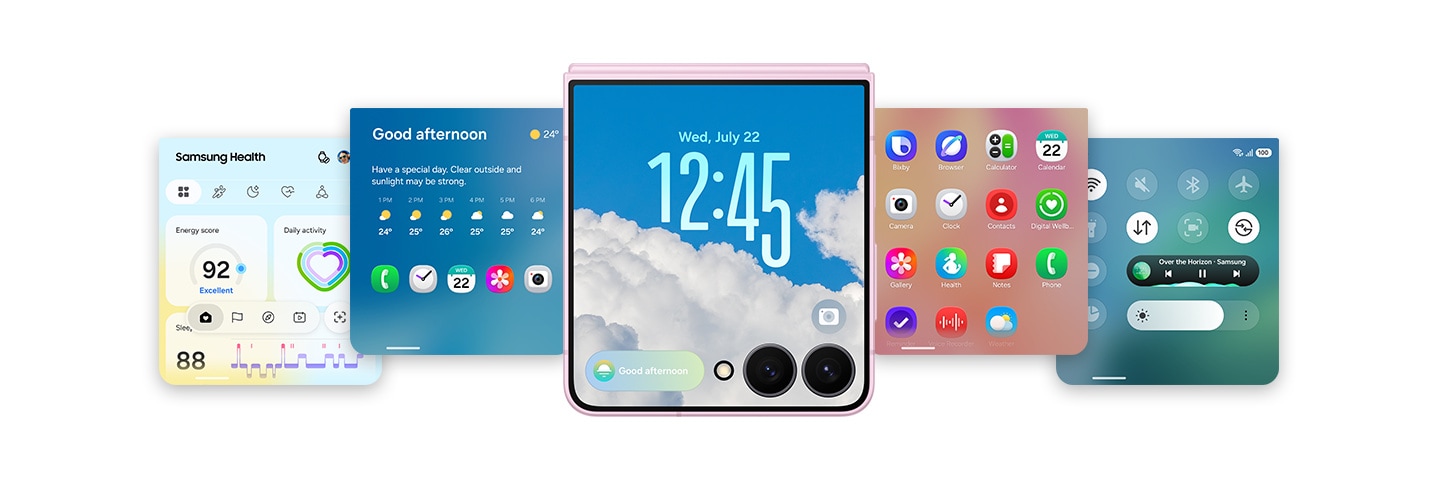
The latest chapter in this evolution, One UI 9 (built on Android 17), officially hit the market on July 22, 2026, alongside flagship hardware in the Galaxy Z Fold 8 and Galaxy Z Flip 8. This rollout followed a beta testing phase that kicked off on May 12, 2026, arriving shortly after the stable release of One UI 8.5.
As One UI 9 makes its way to active devices across different price tiers, it serves as a fascinating lens into smartphone longevity. Understanding these update milestones reveals precisely how Samsung's evolving support policies impact overall device lifespans.
2. Takeaway 1: End of the Line for the Galaxy A54 5G
For owners of the Galaxy A54 5G, updating to One UI 9 is a double-edged milestone. Hitting store shelves on March 16, 2023, running One UI 5.1, the mid-ranger was backed by Samsung’s then-pioneering promise: 4 major OS upgrades alongside 5 years of security updates.
With One UI 9 now successfully installed, the Galaxy A54 5G officially reaches 0 remaining OS upgrades. This Android 17 update marks its final major software milestone, bringing its primary operating system upgrade journey to a close.
However, reaching the end of the major Android upgrade track doesn't mean the phone is obsolete. While major feature drops have concluded, the A54 5G will continue to receive critical security maintenance under its promised 5-year security support window.
Galaxy A54 5G Update Status: Launched on 16-03-2023 with One UI 5.1 | Supported for 4 OS upgrades & 5 years security updates | Current Version: One UI 9 (0 OS upgrades left).
3. Takeaway 2: The Galaxy F56 5G Leads the New 6-Year Support Standard
While older mid-range models illustrate the end of the previous software policy, the Galaxy F56 5G demonstrates Samsung's updated baseline for device longevity. Launched on May 8, 2025, running One UI 7.0 out of the box, the device introduced an expanded commitment of 6 OS upgrades and 6 full years of security updates.
Even after making the jump to Android 17 with One UI 9, the Galaxy F56 5G still retains an impressive 4 major OS upgrades for future Android releases.
Device | Launch Date | Original OS | Security Support | Current OS | OS Upgrades Remaining |
Galaxy F56 5G | 08-05-2025 | One UI 7.0 | 6 Years | One UI 9 | 4 |
Stepping up from a 4-year to a 6-year upgrade policy fundamentally shifts the value proposition for consumers. By guaranteeing platform support deep into the decade, Samsung ensures that hardware like the F56 5G stays modern, performant, and secure well beyond conventional upgrade cycles.
4. Takeaway 3: Budget Hardware Keeps Pace with the Galaxy A15 5G
Entry-level price tags no longer mean getting left behind on software features. The Galaxy A15 5G proves that budget hardware can keep step with cutting-edge software updates while retaining runway for future builds.
Key lifecycle metrics for the Galaxy A15 5G:
- Launch Date: December 27, 2023
- Original Software Version: One UI 6.0
- Software Policy: 4 OS upgrades and 5 years of security updates
- Current OS Version: One UI 9
- Remaining Upgrades: 1 OS upgrade left
Delivering an Android 17-based experience like One UI 9 to entry-level hardware ensures accessible devices stay modern and fully functional. More importantly, maintaining 1 remaining OS upgrade gives the Galaxy A15 5G clear headroom to eventually receive Android 18 down the line.
5. Takeaway 4: The One UI 9 Milestone and Flagship Context
What makes the One UI 9 cycle particularly notable is Samsung's synchronized rollout across different market tiers. Following its May 12, 2026 beta phase and its official July 22, 2026 hardware debut on the Galaxy Z Fold 8 and Galaxy Z Flip 8, One UI 9 wasn't locked away exclusively for premium foldables.
Instead, the stable Android 17 update was made live simultaneously across a diverse spectrum of hardware tiers:
- Galaxy F56 5G (Leading the new 6-year support standard)
- Galaxy A54 5G (Completing its 4th and final OS milestone)
- Galaxy A15 5G (Budget hardware maintaining upgrade headroom)
By deploying One UI 9 across flagship foldables, mid-tier devices, and entry-level phones in tandem, Samsung is proving that software longevity and timely updates are now core priorities across its entire line of products.
6. Conclusion & Final Thoughts
From its original debut replacing Samsung Experience back during the Android 9 "Pie" era to its robust Android 17 foundation today, One UI remains the core software anchor across Samsung’s ecosystem. With software policies now guaranteeing between 4 to 6 years of major OS upgrades depending on the model tier and release date, device longevity is increasingly defined by software support rather than hardware limits.
How long do you plan to keep your current smartphone before reaching its final software support limit?
Comments
Post a Comment